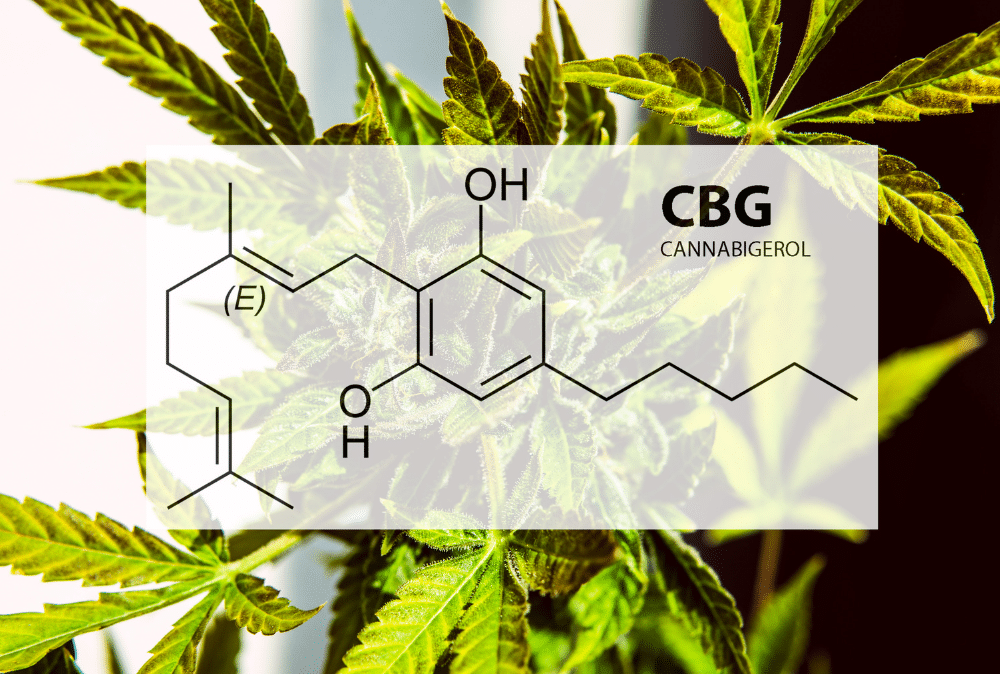
Cannabinol, widely known by its abbreviation CBN, is a naturally occurring compound in the cannabis plant that has quietly captured the attention of Medical Cannabis patients and clinicians alike. This cannabinoid is said to be formed as tetrahydrocannabinol (THC) — the compound most people associate with the “high” of cannabis — breaks down over time through exposure to heat and oxygen. Unlike THC, CBN is only mildly psychoactive, meaning it does not produce the intense intoxication that can interfere with daily functioning, yet it still interacts with the body’s endocannabinoid system in meaningful ways.
For many patients seeking gentle, plant-based support, CBN represents a promising avenue of relief that is grounded in science, anecdotal experience, and ongoing research. This article explores the current understanding of what CBN may help treat, what the main effects are, and why it may be worth discussing with your healthcare provider.
Cannabinol is considered a “minor cannabinoid” because it occurs in smaller amounts in fresh cannabis compared to more abundant compounds like THC and CBD. Its reputation has grown primarily because of early evidence — both clinical and anecdotal — suggesting that CBN can support relaxation and restorative sleep without the cognitive impairment that comes with stronger cannabinoids.
Despite its increasing popularity, it’s important to acknowledge that research into CBN is still in early stages. As with other parts of the cannabis plant, rigorous large-scale clinical trials are limited, though interest in CBN’s potential therapeutic effects continues to expand.
One of the most discussed roles of CBN in the Medical Cannabis space is its association with sleep. Many patients describe CBN as a cannabinoid that supports falling asleep more easily, improving sleep quality, and reducing nighttime restlessness.
Beyond sleep, CBN has shown potential in preclinical studies and early research for contributing to mild pain relief and anti-inflammatory effects. Other potential benefits of CBN include neuroprotection, appetite stimulation, and improved immune response. Find out more about CBN and its potential benefits.
One of the key features that makes CBN appealing to many medical cannabis patients is its mild psychoactive profile. While it can produce relaxing or calming effects, CBN does not typically lead to the intense “high” associated with THC. This makes it a compelling option for individuals who are sensitive to THC or who need symptom relief without cognitive impairment — for example, older adults, those managing daily responsibilities, or patients using cannabis therapeutically over long periods.
Because CBN may still show up on certain drug screenings due to its origin from THC, patients should discuss this possibility with their healthcare provider if drug testing is a concern.
For patients and caregivers navigating Medical Cannabis, understanding cannabinoids like CBN adds nuance to how plant-based care can support well-being. It’s also worth acknowledging that current scientific understanding is evolving. The Medical Cannabis community, including education platforms like UtahMarijuana.org, encourages ongoing research and patient-centered discussions that respect both emerging science and individual lived experience.
If you’re considering CBN as part of your wellness or Medical Cannabis journey, it’s a good idea to speak with a qualified healthcare provider knowledgeable about cannabinoids. This ensures your decisions are supported by both science and personalized care. To see if you qualify for a Medical Cannabis Card in Utah, schedule an appointment.
If you’d like to learn more about CBN or how cannabinoids may support your health, UtahMarijuana.org’s comprehensive education library and resources are designed to uplift and inform patients with evidence-based insights and compassionate guidance.