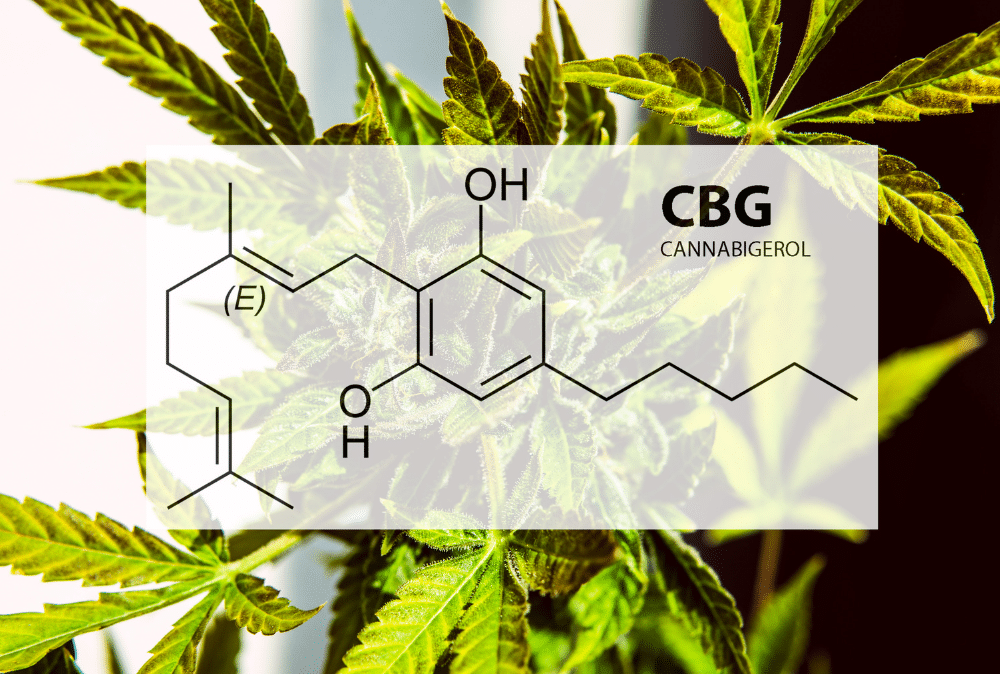
Cannabigerol, better known by its abbreviation CBG, is emerging as an intriguing and promising cannabinoid within the spectrum of Medical Cannabis. Though it doesn’t get as much attention as THC or CBD, both patients and researchers are always learning about what CBG may offer. Rooted in science and grounded in patient experience, this exploration of CBG is designed to help you understand how it works, what it may help treat, and why it matters in balanced, medically grounded cannabis education.
At its core, CBG is known as the “mother of all cannabinoids” because it widely understood to be the chemical precursor from which many other cannabinoids — including THC and CBD — are made within the cannabis plant. In its acidic form, cannabigerolic acid (CBGA) gives rise to these compounds as the plant matures and then transforms into CBG when heated or processed. This unique role in cannabis chemistry underscores why CBG has attracted scientific interest despite typically being present in much lower concentrations in most plants.
The human body possesses its own internal communication network called the endocannabinoid system (ECS). The ECS plays a vital role in regulating a wide array of physiological processes like mood, pain sensation, immune response, appetite, and sleep. Cannabinoids such as CBG interact with this system by engaging with cannabinoid receptors (CB1 and CB2) and other molecular targets, potentially influencing how the body maintains balance or homeostasis.
Unlike THC, CBG is not intoxicating, meaning it does not produce a “high.” This non-psychoactive quality makes CBG appealing to patients who seek therapeutic support without the cognitive or sensory effects associated with THC.
Although clinical human studies are still limited, preclinical research and early human data point to a range of potential therapeutic effects associated with CBG. These findings do not constitute medical advice, but they do reflect what the scientific literature and reputable educational sources have reported to date.
One area of interest is CBG’s potential role in anxiety, stress regulation, mood, and overall wellbeing. Science also highlights the neuroprotective and anti-inflammatoryeffects of CBG, which could be relevant for conditions involving nerve cell damage or chronic inflammation, like IBD. Find out more about CBG and its potential benefits.
For many patients using Medical Cannabis, the story of CBG is one of possibility rather than certainty. Compassionate patient care and shared decision-making emphasize that while promising signals exist, individual responses to cannabinoids vary, and clinical evidence is still developing.
CBG is often considered as part of whole-plant therapies, where it may act in tandem with other cannabinoids and terpenes in what researchers call the “entourage effect.” This concept suggests that multiple plant compounds can work together to produce balanced and supportive therapeutic effects.
It’s also worth acknowledging that current scientific understanding is evolving. The Medical Cannabis community, including education platforms like UtahMarijuana.org, encourages ongoing research and patient-centered discussions that respect both emerging science and individual lived experience.
Medical Cannabis education thrives on curiosity grounded in compassion and evidence. CBG, though lesser-known, embodies that spirit of exploration. As research advances, so too will our understanding of how this cannabinoid may fit into individualized treatment plans.
If you’re considering CBG as part of your wellness or Medical Cannabis journey, it’s a good idea to speak with a qualified healthcare provider knowledgeable about cannabinoids. This ensures your decisions are supported by both science and personalized care.
In the meantime, the growing body of research and clinical engagement offers many reasons to remain hopeful about CBG’s therapeutic potential, and mindful of the ongoing work needed to bring clarity to its medical applications.
If you’d like to learn more about CBG or how cannabinoids may support your health, UtahMarijuana.org’s comprehensive education library and resources are designed to uplift and inform patients with evidence-based insights and compassionate guidance. To see if you qualify for a Medical Cannabis Card in Utah, schedule an appointment.