Each Veterans Day is a reminder of the courage, sacrifice, and resilience of those who have served in the armed forces. It’s also a time to reflect on the hidden wounds that many carry long after the uniform is folded away. Among the most common and challenging of those invisible injuries is post-traumatic stress disorder, or PTSD. In recent years, cannabis has entered the conversation as a possible tool for managing some of the condition’s toughest symptoms. The idea may sound simple, but the truth is nuanced, fascinating, and deeply human.
Post-traumatic stress disorder develops after someone experiences or witnesses trauma. For veterans, this trauma often comes from combat, injury, or life-threatening situations, but PTSD can affect anyone who has faced extreme fear or distress. The symptoms can appear in many forms — vivid flashbacks, nightmares, avoidance of reminders, irritability, and an overwhelming sense of alertness even in safe environments. These symptoms can make it difficult to rest, trust, or feel truly at ease. While therapies such as cognitive behavioral therapy and medications like SSRIs have helped many people manage PTSD, not everyone finds complete relief. This is where some have turned their attention toward alternative options, including cannabis.
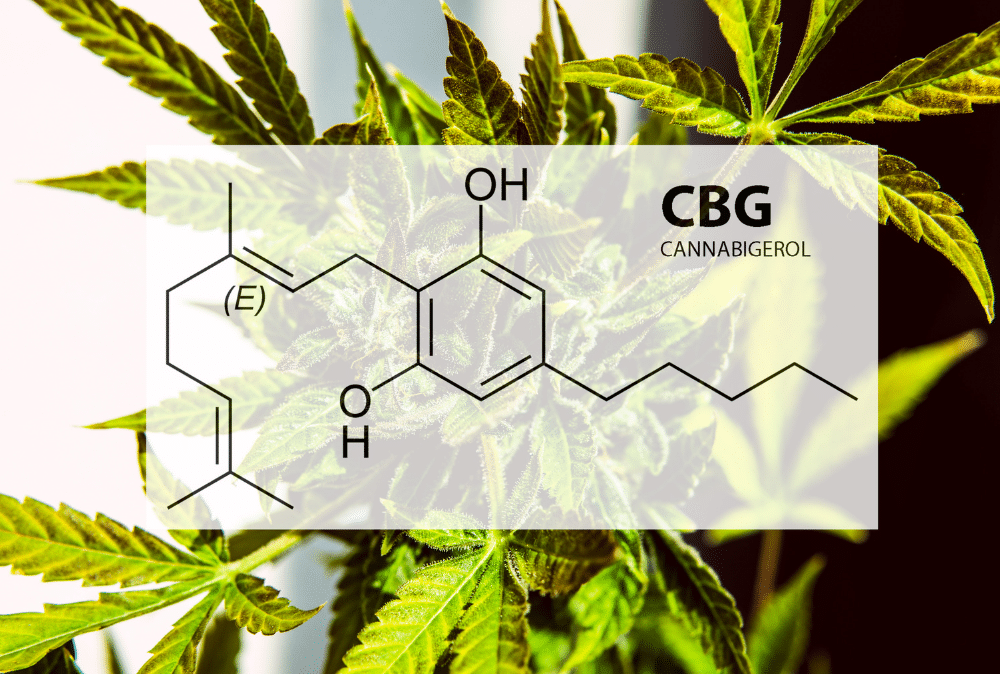
Cannabis contains a range of compounds known as cannabinoids, the most famous being THC and CBD. These chemicals interact with receptors in the brain and body that form part of what’s called the endocannabinoid system — a network that helps regulate mood, sleep, appetite, and the body’s response to stress. Scientists are still learning exactly how this system works, but it appears to play a role in emotional regulation and the processing of fear and memory.
Early research has hinted that cannabis might help with certain aspects of PTSD, particularly sleep problems and anxiety. One clinical study found that patients who used medical cannabis reported notable improvements in PTSD symptom severity and sleep quality over time. Another observational study published in BJPsych Open reported that individuals using medicinal cannabis experienced significant reductions in both PTSD and depressive symptoms over a three-month period.
There’s also work underway specifically focused on veterans. The Multidisciplinary Association for Psychedelic Studies (MAPS) is conducting controlled trials evaluating cannabis for PTSD in veteran populations. Although results are still being analyzed, these efforts show growing recognition that veterans deserve new, evidence-based options for relief.
For all the promise, the science isn’t settled yet. A major systematic review found that evidence supporting cannabis as an effective PTSD treatment remains of low certainty. That means while some patients may benefit, others might see little change — or even experience side effects that outweigh the positives.
The U.S. Department of Veterans Affairs takes a cautious stance. The agency acknowledges that many veterans use cannabis to cope with PTSD but notes that research so far doesn’t support it as a primary treatment. The VA warns that long-term use can sometimes lead to dependence or worsen certain mental health conditions. This doesn’t mean cannabis has no place in treatment, but rather that it should be approached with care, ideally alongside guidance from a knowledgeable healthcare provider.
The experiences of people living with PTSD are deeply personal. Some describe cannabis as life-changing, allowing them to finally sleep through the night or reduce the constant replaying of traumatic memories. For others, the effects are inconsistent or even unpleasant. THC — the compound responsible for cannabis’s psychoactive effects — can sometimes trigger anxiety or paranoia in higher doses. CBD, on the other hand, is non-intoxicating and may have calming effects, but more controlled studies are needed to confirm its role in PTSD management.
One of the challenges is that cannabis is not a single, uniform product. Strains can differ widely in THC and CBD content, and the way it’s consumed —through smoking, vaporizing, or edibles — affects how quickly and intensely the effects are felt. Without standardized dosing, it’s difficult to predict how someone will respond. This makes self-experimentation risky, particularly for those with underlying anxiety or mood disorders.
On the other hand, the potential benefits are worth continuing to explore. For veterans who have not found adequate relief from traditional therapies, cannabis may represent a sense of agency and control over their symptoms. Being able to find rest, focus, or calm, even if just temporarily, can feel like reclaiming part of oneself. And that possibility, for many, is worth investigating.
Medical Cannabis is legal in Utah for patients with qualifying conditions, PTSD included. Patients must obtain a recommendation from a qualified medical provider, like those at KindlyMD, and register for a Medical Cannabis Card through the state program. Utah’s system is designed to balance accessibility with responsible oversight, ensuring patients receive accurate information about dosing, potential side effects, and product options available through licensed dispensaries.
For veterans in Utah, it’s worth noting that while the U.S. Department of Veterans Affairs cannot prescribe or provide cannabis, veterans are not penalized for using Medical Cannabis under state law. Providers outside the VA can help veterans navigate the process, assess symptoms, and develop a plan that prioritizes safety and symptom tracking. Learn more about Medical Card options here.
This Veterans Day, conversations around cannabis and PTSD shouldn’t be about hype or skepticism — they should be about empathy, science, and choice. Veterans who are exploring cannabis deserve both respect and reliable information. They also deserve access to ongoing research that can clarify what works, what doesn’t, and why.
It’s important to acknowledge that cannabis isn’t a cure-all. It might ease symptoms for some and fail to help others. But even if it doesn’t replace traditional therapy, it may complement it by supporting sleep, reducing anxiety, or improving mood stability. The key is an open, informed partnership between patient and provider. KindlyMD Care Providers are well-versed in canna-science and are ready to help you find a custom, thoughtful approach to your care. Schedule an appointment today.